
2026-09-13 ·
Understanding Local Drainage Issues in Ypsilanti During Heavy Rains
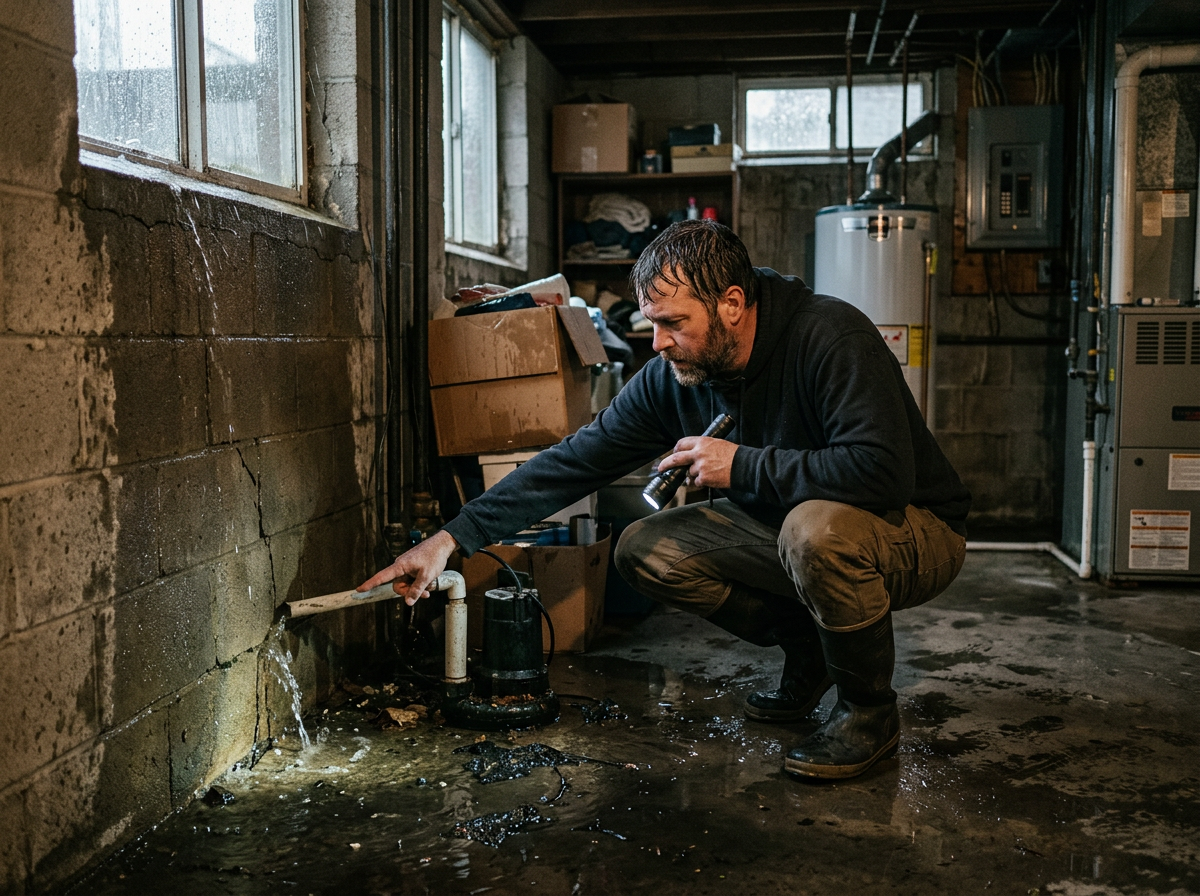
Heavy rains in Ypsilanti frequently overwhelm the combined sewer system, causing it to surcharge and push sewage up through floor drains into basements. This occurs because older infrastructure routes both stormwater and wastewater through the same pipes, and clay soils limit natural drainage while building hydrostatic pressure against foundations. Homeowners based at Ypsilanti, MI 48197 see this pattern repeat after prolonged downpours, especially when the ground is already saturated.
Combined Sewer Surcharging During Storms
Ypsilanti relies on combined sewers that carry both rainwater and household waste. When rainfall exceeds system capacity, pressure builds and forces water back through the lowest points, which are usually basement floor drains. The result is often Category 3 water intrusion that requires careful handling to avoid health risks. Clay soils common throughout the area compound the issue by holding moisture and transmitting pressure to foundation walls. Spring thaws over frozen ground or summer cloudbursts produce similar effects, leaving finished basements particularly vulnerable because most homes have living space below grade.
Clay Soils, Frost Depth, and Hydrostatic Pressure
Local clay soils resist water absorption, so rain sits on the surface and increases lateral pressure against basement walls. At a 42 inch frost depth, winter conditions freeze upper soil layers and direct meltwater or rain toward foundations once thaw begins. This hydrostatic force can push moisture through cracks or joints even without a full sewer backup. January and February pipe bursts add another layer when frozen supply lines fail and release water into already stressed basements. Sump pumps help in many homes, yet power outages during storms leave systems unprotected and allow rapid water accumulation.
Practical Steps Homeowners Can Take
Installing a backwater valve on the main sewer line prevents reverse flow from surcharged municipal pipes during heavy rain events. Regular inspection of gutters, downspouts, and grading around the foundation keeps surface water moving away from the house. In areas near the Huron River, additional grading or French drains may be needed because river levels rise quickly and affect local water tables. Checking that sump discharge lines are clear and routed properly reduces the chance of re-entry during outages. These measures address the root drainage constraints created by local soil and infrastructure rather than treating symptoms after water enters.
When backups do occur, prompt water removal limits damage to finished surfaces and reduces the window for mold. Flooded basement cleanup teams familiar with Michigan conditions can extract water and handle Category 3 materials safely. Sewage backup cleanup follows similar protocols but focuses on disinfection after municipal line failures.
When to Contact Professionals
Persistent odors, visible sewage, or water that remains after 48 hours signal the need for specialized equipment and drying protocols. Target indoor humidity below 60 percent during the drying phase to protect wood framing and drywall in finished basements. What Causes Basement Flooding Near the Huron River explains additional site-specific factors that affect Ypsilanti properties. Preventing Mold Growth After Summer Storms in Ypsilanti outlines follow-up steps once water is removed. Coverage for sewer backups depends on the individual policy, so homeowners should review their documents with their carrier before an event occurs.