
2026-09-13 ·
What Causes Basement Flooding Near the Huron River
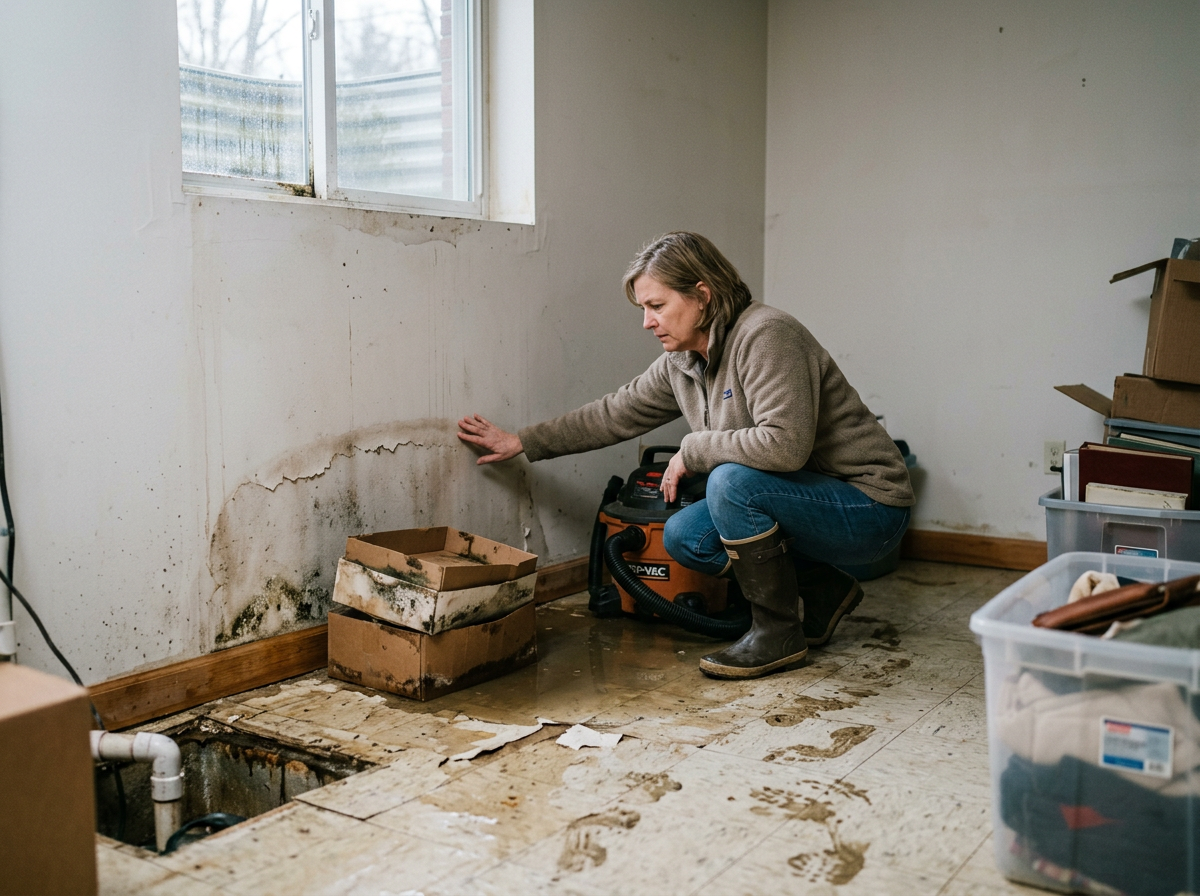
Basement flooding near the Huron River typically results from combined sewer surcharging that forces sewage up floor drains during heavy rain events, along with hydrostatic pressure through clay soils that surround most local foundations.
Combined Sewer Surcharging in Heavy Rain
Combined sewers in Ypsilanti and nearby communities along the Huron River often surcharge when intense rainfall overwhelms the system. Water backs up through floor drains and brings in contaminated material that requires Category 3 handling protocols. Many homes in the area have finished basements where this intrusion quickly affects flooring, walls, and stored items. Backwater valves installed at the main line can prevent this reverse flow, though not every property has them. Residents who notice sewage odors or slow drains during storms should consider professional assessment before conditions worsen. Michigan Flood Response handles these incidents through its sewage backup cleanup service when water enters living spaces.
Hydrostatic Pressure Through Clay Soils
Clay soils common throughout Washtenaw County hold water against foundation walls and exert steady pressure once saturation occurs. With roughly 42 inches of frost depth, the ground stays frozen well into spring and limits natural drainage, so meltwater and rain push laterally into basements. Finished basements in the region leave little margin for error because drywall and carpet absorb moisture fast. Homeowners sometimes notice damp spots along the lower walls first, then standing water if the pressure continues. Proper grading and exterior drainage improvements reduce this risk over time, yet many older homes near the river lack these upgrades.
Seasonal Factors Including Spring Thaw and Pipe Bursts
Spring thaw over frozen ground sends large volumes of water toward foundations faster than the soil can absorb it, especially along the Huron River corridor. January and February pipe bursts add another layer when temperatures swing and older supply lines fail inside walls or under slabs. These events often coincide with power outages that disable sump pumps, allowing water to accumulate unchecked. Properties in low-lying areas around Ypsilanti experience the combined effect more frequently. Monitoring weather forecasts and maintaining clear exterior drains helps limit the volume that reaches the basement during these periods.
Sump Pump Failures During Storm Outages
Sump pumps in Ypsilanti basements frequently lose power exactly when heavy rain or rapid snowmelt increases groundwater levels. Battery backups or water-powered backups provide a safeguard, yet many systems installed years ago lack them. Once the pump stops, water rises past the pit and spreads across the floor, often mixing with any sewage that has already entered through floor drains. Drying times after these events typically run several days to reach safe humidity targets below 60 percent. Readers can review detailed guidance in the article How Long Does It Take to Dry a Flooded Basement in Michigan for realistic expectations based on local conditions.