
2026-09-13 ·
Removing Standing Water After Flash Floods in Washtenaw County
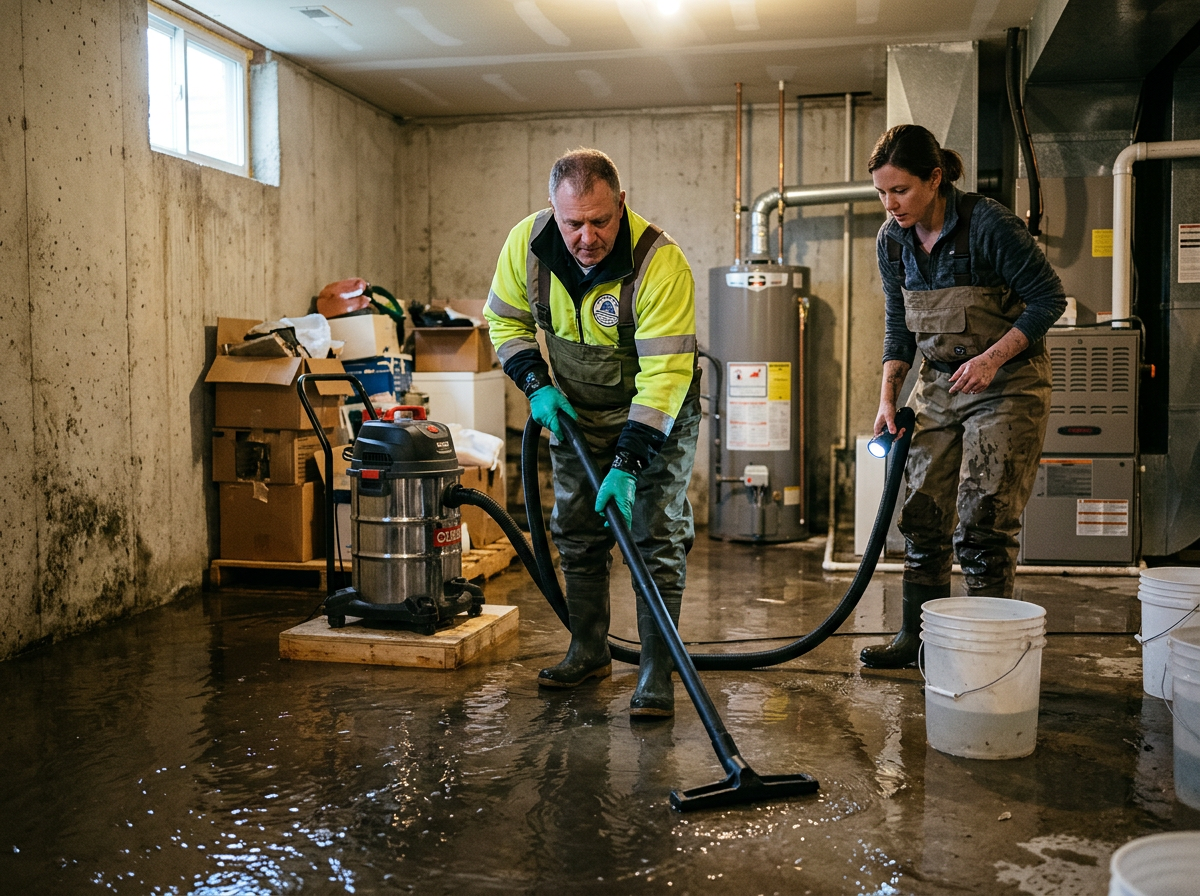
Removing standing water after flash floods in Washtenaw County starts with pumping within the first 24 hours to limit how quickly the water shifts categories. In areas with combined sewers, heavy rain can push sewage back through floor drains, turning clean floodwater into contaminated Category 3 material faster than many homeowners expect. Clay soils common around Ypsilanti hold water against foundations and increase hydrostatic pressure, so delays allow more seepage into finished basements. Sump pump failures during power outages from lake-effect storms add another layer that requires manual pumping or generator backup. Once the bulk water is gone, focus shifts to extraction of trapped moisture under flooring and behind walls before mold sets in.
Immediate Safety and Assessment Steps
Homeowners should first shut off electricity to the affected area and avoid entering if sewage is visible or the water depth exceeds a few inches. Washtenaw County flash floods frequently mix stormwater with sewage when systems surcharge, creating health risks that require protective gear and professional evaluation. Check for structural concerns such as bowed walls or floating appliances before any removal work begins. Document water levels and affected materials with photos for insurance discussions, though coverage depends on the specific policy and any sewer backup rider. This initial assessment helps determine whether the water qualifies as Category 3 and guides the choice between DIY extraction and calling in local crews based in Ypsilanti.
Pumping and Extraction Process
Submersible pumps rated for dirty water handle the initial removal of standing water, but operators must direct discharge away from foundations to avoid pushing more moisture into clay soils. In basements with finished flooring, crews often cut access points to reach trapped water beneath vinyl or carpet rather than waiting for it to migrate. Michigan's 42-inch frost depth means winter and early spring floods can freeze in place if temperatures drop, complicating later removal. Multiple passes with extraction wands and air movers are usually needed because hydrostatic pressure from surrounding clay keeps feeding water back into the space. Flooded basement cleanup crews familiar with these conditions coordinate pump placement to avoid damaging plumbing lines that already face January pipe-burst risks.
Managing Category 3 Contamination
When combined sewers surcharge, the standing water quickly becomes Category 3 and requires disposal methods that prevent cross-contamination to living areas. Porous materials such as drywall and carpet padding in nearly universal finished basements are typically removed rather than dried in place. Proper containment with plastic sheeting and negative air machines protects the rest of the home during cleanup. Sewage backup cleanup follows the same sequence but adds antimicrobial treatment once bulk water is gone. Homeowners should never attempt to salvage items that have been submerged in sewage-laden water without professional testing.
Drying After Water Removal
Once standing water is gone, industrial dehumidifiers and air movers run until interior humidity stabilizes below 50 percent, a target that often takes several days in Michigan's variable climate. How long does it take to dry a flooded basement in Michigan depends on factors like how much water entered through the slab and whether backwater valves are already installed. Spring thaws over frozen ground can reintroduce moisture weeks later, so monitoring continues past the initial event. Drying techniques for basements in Michigan's humid fall season adapt similar equipment use for different seasonal humidity patterns.
Long-Term Prevention Measures
Installing backwater valves at floor drains stops future surcharges from combined sewers during heavy rain events common in Washtenaw County. Regrading soil away from the foundation reduces hydrostatic pressure against clay that surrounds most local homes. Sump systems with battery backups address outage-related failures that occur during storms. Regular inspection of these features before peak seasons such as spring thaw or lake-effect snow periods keeps small issues from becoming full standing-water events. Basement water removal teams can evaluate existing drainage during post-flood visits to recommend targeted upgrades.